
Contamination & Particle Control
Cleaning methods must limit the introduction, movement, and accumulation of microbial, particulate, and process-related contaminants.
 Key Klean

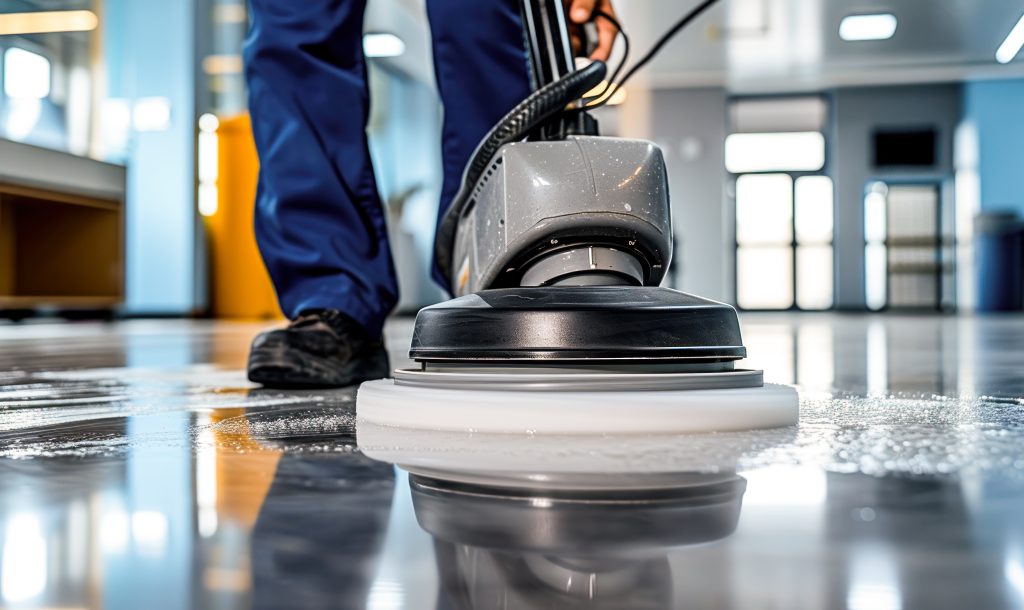
Biotech and life sciences cleaning can include controlled cleaning of cleanroom floors, walls, ceilings, doors, pass-throughs, work surfaces, equipment exteriors, gowning rooms, airlocks, laboratories, and approved production-adjacent areas. Programs can also cover non-controlled support spaces such as offices, corridors, lobbies, restrooms, and breakrooms. The exact sequence, frequency, tools, products, gowning requirements, and documentation are defined by the facility’s classification, SOPs, contamination-control strategy, and operating schedule.

6,300,000+ Sq Ft

50+ Years Providing Service

Industry-Specific Programs
BBB Accredited
BSCAI Member
Key Klean Solutions
Cleaning in a regulated or contamination-controlled environment must follow the facility’s procedures, protect the integrity of each space, and produce the consistency and documentation quality teams expect.
Cleaning methods must limit the introduction, movement, and accumulation of microbial, particulate, and process-related contaminants.

Different cleanroom grades, laboratory zones, production areas, and support spaces require different products, tools, frequencies, and cleaning sequences.

Personnel entry, PPE, airlocks, tool transfer, clean-to-less-clean movement, and restricted access must align with established facility procedures.

Written scopes, repeatable procedures, completed cleaning logs, escalation protocols, and clear accountability support quality oversight and inspections.
TESTIMONIALS
See what it’s like to work with Key Klean from the people who know firsthand.
SERVICES
Build the program around controlled-environment requirements, then separate those procedures from the recurring and periodic services used in laboratories, offices, employee areas, and other support spaces.
Core Service

Controlled cleaning for cleanrooms, laboratories, gowning rooms, airlocks, pass-throughs, approved equipment exteriors, overhead surfaces, and other detailed areas according to facility procedures.
Explore Specialty & Deep Cleaning
Cleaning and disinfection using facility-approved products, application methods, contact times, sequences, and rotation requirements where applicable.
Explore Disinfection & Sanitization Service
Recurring care for non-controlled offices, corridors, lobbies, conference rooms, restrooms, breakrooms, general waste, and employee spaces, with controlled-area procedures kept separate.
Explore Janitorial & Day Porter Services
Maintain approved hard-surface flooring in laboratories, corridors, gowning areas, offices, and support spaces using methods appropriate for the facility zone and floor finish.
Explore Floor Care Services
Clean entry glass, office windows, interior partitions, observation glass, and other approved surfaces in administrative and non-critical areas.
Explore Window Cleaning
Deep clean carpet and carpet tile in offices, conference rooms, reception areas, and other non-controlled administrative spaces.
Explore Carpet Cleaning
Maintain sidewalks, entrances, loading areas, dumpster zones, and other exterior surfaces that can contribute dirt and debris near facility access points.
Explore Pressure Washing & Exterior CleaningWhy Key Klean
The process begins with understanding the facility’s classifications, operations, and internal procedures, then translating those requirements into a clearly defined cleaning scope.

Review cleanrooms, laboratories, gowning spaces, airlocks, pass-throughs, production-adjacent areas, facility flows, surfaces, and non-controlled support spaces.

Map tasks, frequencies, sequences, tools, products, exclusions, and responsibilities to the facility’s approved procedures and quality requirements.

Coordinate PPE, personnel entry, airlocks, escorts, restricted zones, tool and material transfer, and approved maintenance windows before service begins.

Define cleaning logs, completion records, points of contact, issue escalation, and the process for updating the scope when facility procedures or operations change.
LOCATIONS
We provide specialized commercial cleaning across the United States. If you do not see your location listed, please reach out and we can assist in determining if we can provide service for you.
LOCATION
LOCATION
FIND SERVICE
We provide commercial cleaning services across the United States. If you do not see your location listed, please reach out and we will help determine if we can provide service for you!
FAQ
Answers to common questions from facility, laboratory, operations, quality, and environmental health and safety teams evaluating specialized cleaning support.
Yes. Key Klean cleans biotech, pharmaceutical, and life sciences environments – including labs, controlled spaces, and cleanrooms – using protocols designed for regulated, contamination-controlled facilities rather than standard commercial cleaning.
Cleanrooms are classified by airborne particle limits under ISO 14644-1 (commonly ISO Class 5, 7, and 8) and, in pharmaceutical settings, by EU GMP grades A through D. Higher classifications require more frequent cleaning, validated disinfectant rotation, and tighter control of personnel and materials. We align procedures and frequency to your facility’s classification.
Cleanroom cleaning uses non-shedding, low-lint wipes and mops, pre-saturated wipes with agents like isopropyl alcohol or hydrogen peroxide, and often single-use tools – all selected to remove contaminants without generating particles or leaving residue. Disinfectant rotation is used where validation requires it.
Yes. Because personnel are the largest source of contamination in a cleanroom, our teams follow your classification-appropriate gowning procedures – coveralls, hoods, masks, gloves, and boot covers as required – and enter through designated gowning rooms or airlocks.
Yes. We follow documented, repeatable cleaning procedures aligned with GMP expectations and your SOPs, supporting cleaning logs and audit-ready records so your environmental cleanliness holds up to inspection.
Get a custom recommendation based on industry, square footage, service needs, schedule, and location.
